

As high-performance powerboat descriptors go, no term is more ambiguous than “entry-level.” Does it mean affordable? Or does it mean something commensurate with the experience of its would-be owner? Or does it incorporate elements of both?
I think it’s both, but here’s what I know.
No builder likes to describe his or her products as “entry-level.” It screams fall-apart-cheap and boring-to-drive, even if the model in question is neither.
So I am not going to call the Checkmate Boats 2400 BRX V-bottom—Boating magazine’s 2025 Boat of the Year—entry-level. Nor will I tag any of the smaller Velocity Powerboats models, which range from 23 to 43 feet long, entry-level. Relative to offerings of similar sizes, they present good value and performance for their prices.
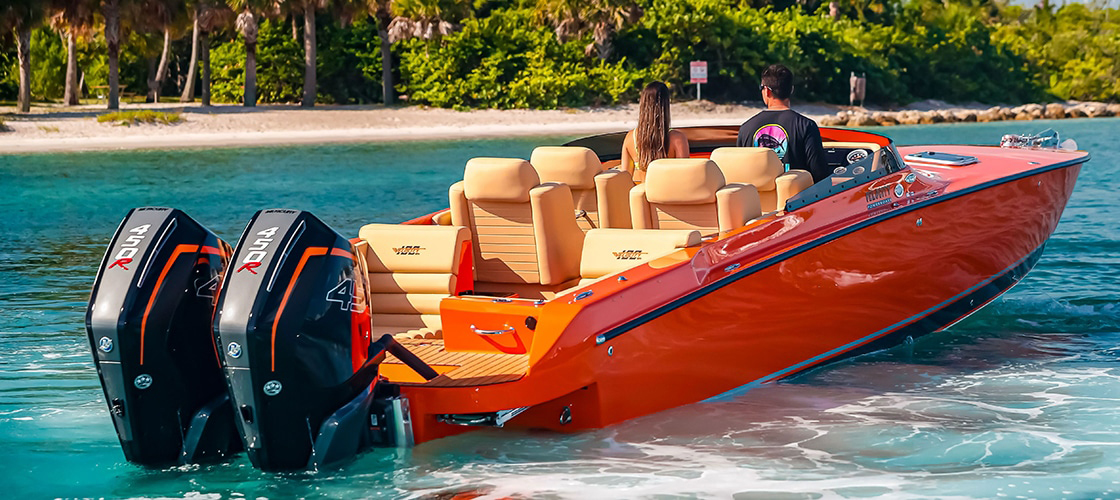
I bring up both brands now because yesterday Velocity announced it has purchased Checkmate. Both lines will be built at Velocity’s 40,000-square-foot facility in Sanford, Fla. Pete Caldwell, the former owner of Checkmate, is going to help Scott McCormick, the current owner of Velocity, come up to speed with his new acquisition.
Here’s another thing I know about entry-level powerboats. It’s really tough, as in most impossible, to make a living producing them. Prattle on about the greed of boat-builders and outrageous pricing and how it could be done if you must, but I default to this hard-to-argue observation.
If lower-price boats were profitable to build, some smart company would be building and touting them.
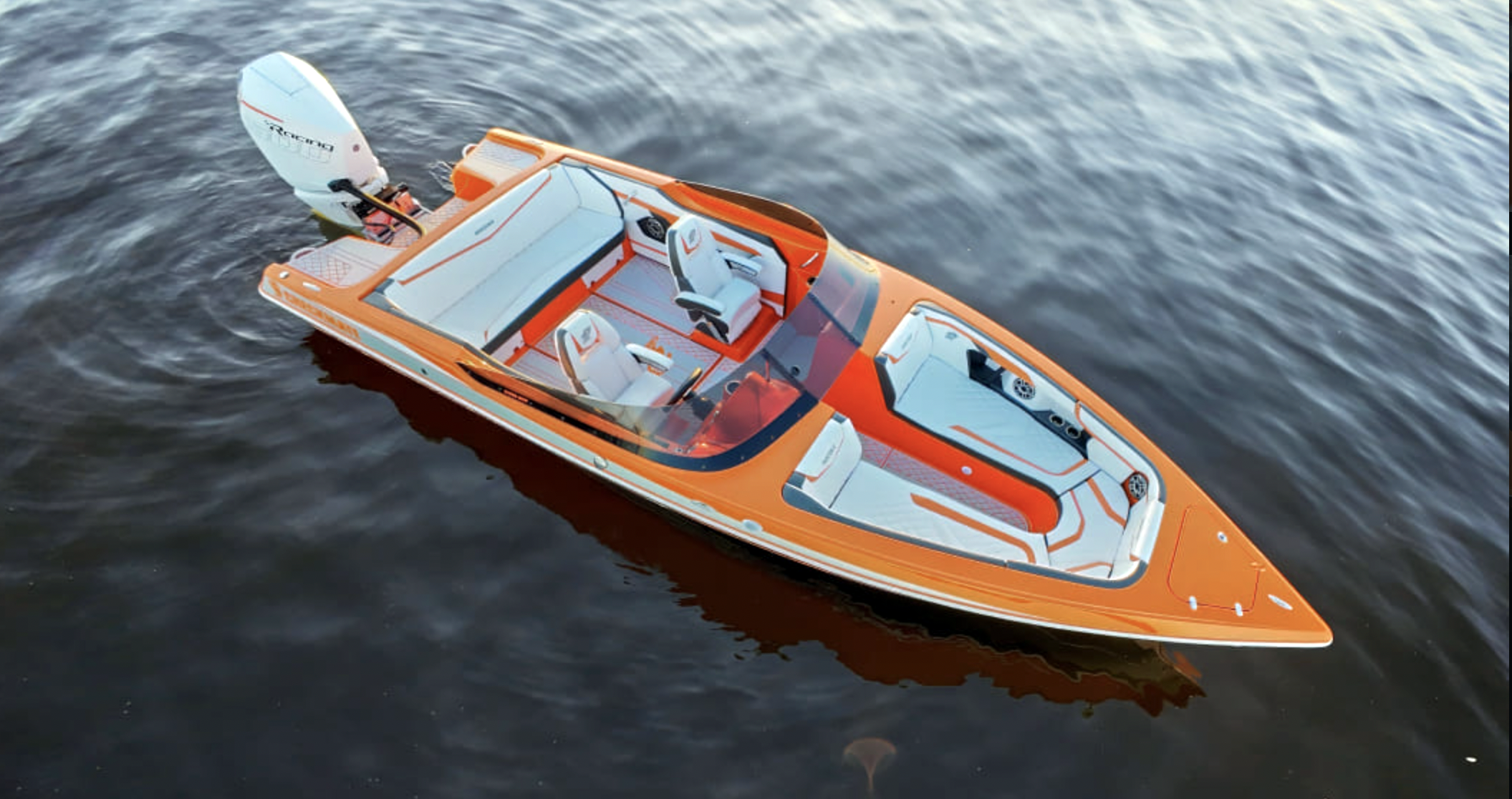
Now, here’s what I like about McCormick of Velocity owning Checkmate. It gives Checkmate owners, as well as smaller-model Velocity owners, room to grow. Who is to say today’s 24-foot Checkmate owner could not be tomorrow’s 39-foot Velocity owner?
In short, McCormick doesn’t have to build a step-brand to complement Checkmate. He already has one in Velocity.