

Regional powerboating-event organizers can get mighty territorial about their dates, and the drama that ensues when one event drops “on top” of another is understandable. To a large degree, those organizers are competing for the same audience.
Equally understandable and worth considering is the finite number of weekends in any given summer boating season. Event-overlap is unavoidable.
But when it comes to events in different regions of the country sharing the same dates, such schedule conflicts are vastly overrated.
This year, for example, the Lake Cumberland Poker Run in Kentucky is set for July 10-11, the same dates as the Boyne Thunder Poker Run in Michigan. You might think that would be disastrous for the Lake Cumberland happening, as the Boyne Thunder affair is the hottest ticket of any given boating-event season.
You would be wrong.
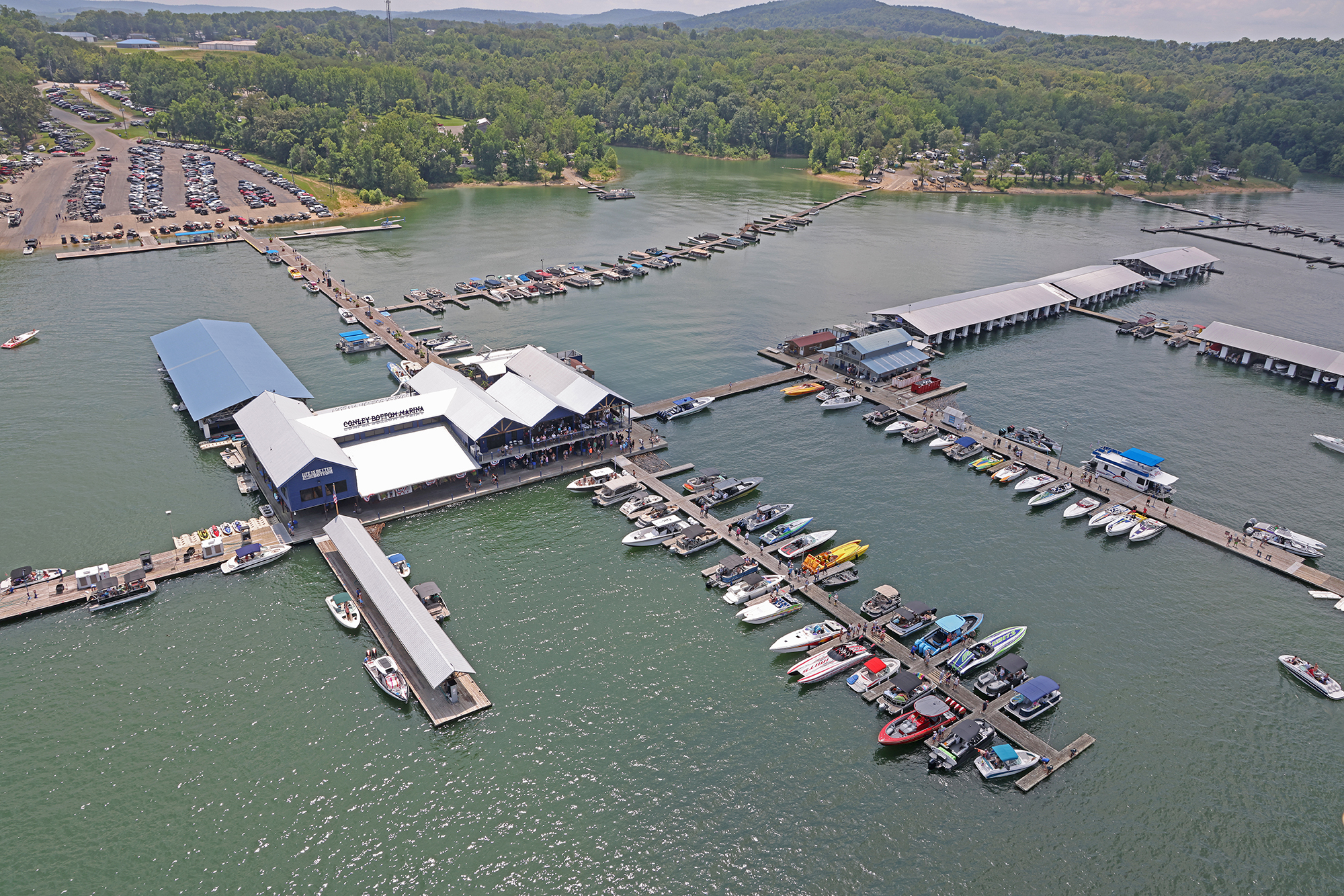
Let’s start with the numbers. The Boyne Thunder event is capped at 120 boats, 60 for sponsor sign-ups—open now—and 60 for general registration. General registration sold out in a little more than two minutes last year. The makes the odds of Boyne Thunder consuming more than a tiny number of local, would-be Thunder Run participants remote.
And then there is the almost-700 miles of road between Jamestown, Ky., the home of the Lake Cumberland and Boyne City, Mich., the home of the Boyne Thunder Poker Run. For Kentuckians and residents of their surrounding states, reaching Lake Cumberland is a whole lot easier.
Ever wonder why happenings such as Boyne Thunder, the 1,000 Islands Charity Poker Run the following weekend in Upstate New York, the Lake Powell Challenge in Northern Arizona/Southern Utah and more get dubbed “bucket-list” events beyond their undeniable greatness? For all but participants who live in those regions, they are a hike.
Local events on familiar waterways are just easier, less expensive and less time-consuming to reach—all valid reasons for keeping event plans mostly local in any given season .
Schedule drama is a thing at the regional level. No argument there. But from one region to another, event-overlap doesn’t matter.